Business License

Deciphering the Intricate Tapestry of the Coke Industry: A Comprehensive Analysis
Deciphering the Intricate Tapestry of the Coke Industry: A Comprehensive Analysis
1. Introduction
The coke industry is a linchpin of the global industrial ecosystem, fueling sectors ranging from steel production to foundries, and playing a pivotal role in various chemical and energy - intensive processes. Understanding the dynamics, trends, and challenges within this industry is crucial for stakeholders, from producers and consumers to investors and policymakers. This in - depth analysis delves into the multi - faceted world of coke, exploring its different types, market forces, and future prospects.
2. Types of Coke and Their Applications
2.1 Metallurgical Coke
Metallurgical coke is the cornerstone of the steel - making process. In blast furnaces, it serves a dual purpose: providing the intense heat necessary to melt iron ore and acting as a reducing agent to convert iron oxides into metallic iron. High - quality metallurgical coke typically has a fixed carbon (FC) content in the range of 85 - 86%, a sulfur (S) content ≤0.6 - 0.75%, and an ash content ≤12 - 13.5%. The high carbon content ensures efficient heat generation, while the low sulfur and controlled ash levels are essential for maintaining the quality of the steel produced. Any deviation in these parameters can lead to inefficiencies in the blast furnace operation, such as increased fuel consumption, longer processing times, and lower - quality steel output.
2.2 Foundry Coke
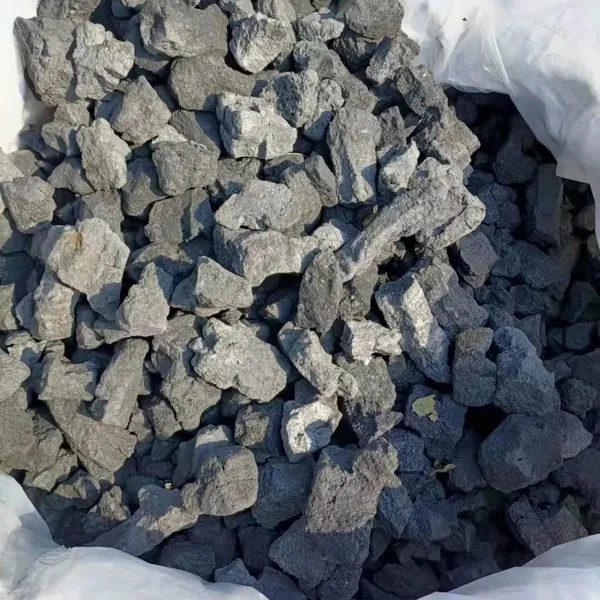
Foundry coke is specifically tailored for the foundry industry, which is responsible for producing a wide range of metal components used in automotive, machinery, and other manufacturing sectors. With a relatively higher fixed - carbon content, usually 86 - 90%, lower sulfur (≤0.5 - 0.75%), and lower ash (≤8 - 12%) compared to some other coke types, foundry coke enables precise melting and casting processes. The high carbon content provides the heat required to melt metals like iron and aluminum, while the low sulfur and ash minimize the formation of impurities in the molten metal. This results in high - quality castings with excellent mechanical properties, reducing the need for post - casting treatments and improving the overall productivity of foundries.
2.3 Semi - Coke
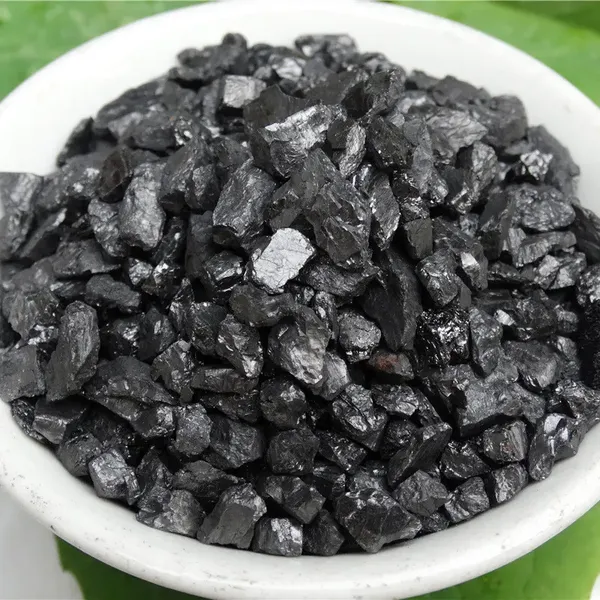
Semi - coke, also known as blue coke or semi - coking coal, has a fixed - carbon content around 84 - 86%. It is characterized by its low sulfur content and high calorific value. Semi - coke finds extensive use in industries such as smelting, ferroalloys production, and the chemical industry. In smelting operations, it serves as a cost - effective fuel source, providing the necessary heat for the extraction of metals from their ores. In the ferroalloys industry, it contributes to the reduction of alloying elements and the production of high - quality ferroalloys. In the chemical industry, semi - coke can be used as a feedstock for various chemical reactions, such as the production of synthetic gas.
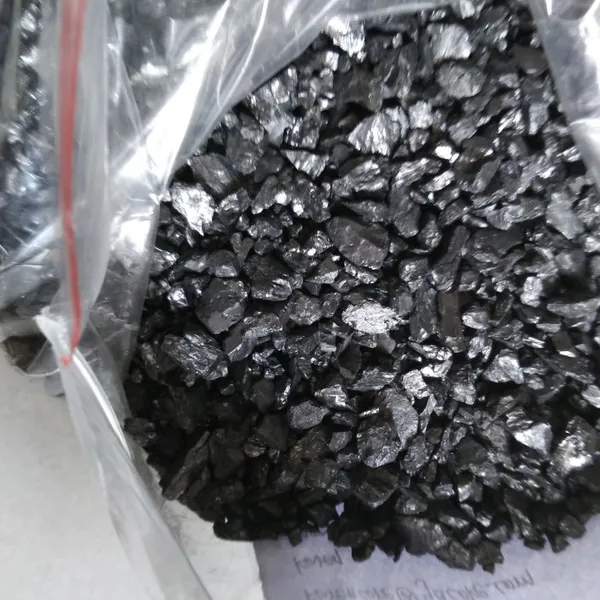
2.4 Carbon Raiser (Calcined Anthracite Coal Carbon Raiser)
Carbon raisers are essential for industries that require precise control of carbon content in their products, particularly in steelmaking and foundry applications. Calcined anthracite coal carbon raisers, for example, typically have a high fixed - carbon content, often in the range of 90 - 98.5%, along with low nitrogen content and high digestibility. In steelmaking, adding the right amount of carbon through a carbon raiser is crucial for achieving the desired mechanical properties of the steel, such as hardness, strength, and ductility. In foundry work, it helps adjust the carbon content in the molten metal to improve the quality of the castings.
3. Market Dynamics
3.1 Supply - Side Factors
Production Capacity and Location: The global production of coke is concentrated in regions with significant coal reserves, such as China, the United States, and Russia. China, in particular, is the world's largest coke producer, accounting for a substantial portion of global output. Producers in these regions have large - scale production facilities, which benefit from economies of scale. However, environmental regulations in many of these countries are increasingly influencing production methods and capacity. For instance, stricter air - quality standards have led to the closure of some smaller, less - efficient coke - making plants, while larger producers are investing in cleaner production technologies.
Raw Material Availability and Quality: The quality and availability of coal, the primary raw material for coke production, play a crucial role in the supply of coke. Different types of coal, such as coking coal, are required for the production of specific coke types. Fluctuations in coal prices, due to factors like supply - demand imbalances, geopolitical tensions, or natural disasters affecting coal - mining regions, can impact the cost of coke production. Additionally, the quality of coal, especially its ash, sulfur, and volatile matter content, directly affects the quality of the resulting coke.
3.2 Demand - Side Factors
Steel Industry: As the largest consumer of metallurgical coke, the steel industry's performance is a major determinant of coke demand. Global steel production is closely tied to economic growth, especially in sectors like construction, infrastructure development, and automotive manufacturing. For example, rapid urbanization in emerging economies such as India and parts of Southeast Asia has led to increased demand for steel, and consequently, for metallurgical coke. In developed economies, the replacement of aging infrastructure and the growth of the automotive industry also drive steel and coke demand.
Foundry Industry: The foundry industry's demand for foundry coke is linked to the broader manufacturing sector. Growth in industries like automotive, machinery, and general manufacturing leads to increased production of metal components in foundries, thereby boosting the demand for foundry coke. Technological advancements in the foundry industry, such as the adoption of more efficient melting and casting processes, can also impact the quantity and quality of foundry coke required.
Ferroalloys and Chemical Industries: The ferroalloys and chemical industries' consumption of semi - coke is influenced by factors such as the demand for alloys in the steel - making process and the production of various chemicals. For example, the increasing use of stainless steel, which requires ferroalloys like chromium and nickel, drives the demand for semi - coke in ferroalloys production. In the chemical industry, the development of new chemical processes and the expansion of the petrochemical sector can lead to increased demand for semi - coke as a feedstock.
4. Challenges and Opportunities
4.1 Environmental Challenges
Emission Regulations: The coke - making process is known to emit significant amounts of pollutants, including sulfur dioxide, nitrogen oxides, and particulate matter. In response, governments around the world have imposed increasingly stringent environmental regulations. These regulations require coke producers to invest in pollution - control technologies, such as flue - gas desulfurization, denitrification, and dust - collection systems. Compliance with these regulations not only increases the cost of production but also forces some smaller producers out of the market.
Carbon Footprint: In the context of global efforts to combat climate change, the coke industry's carbon footprint is under scrutiny. The combustion of coke in industrial processes releases large amounts of carbon dioxide. Producers are thus under pressure to develop and adopt carbon - capture and storage (CCS) technologies or find alternative, lower - carbon - emitting production methods.
4.2 Technological Opportunities
Advanced Coke - Making Technologies: Research is underway to develop more efficient and environmentally friendly coke - making technologies. For example, new coking processes are being explored that can reduce the consumption of coking coal, improve the quality of coke, and minimize emissions. These technologies could potentially give producers a competitive edge in the market by reducing production costs and meeting environmental requirements.
Alternative Fuels and Feedstocks: The search for alternative fuels and feedstocks is another area of opportunity. Biomass - based cokes, for instance, are being investigated as a potential low - carbon alternative to traditional coal - based cokes. Additionally, the use of waste materials, such as plastics and rubber, in coke production is being explored, which could not only reduce the reliance on coal but also help with waste management.
5. Future Outlook
The future of the coke industry will be shaped by a complex interplay of economic, environmental, and technological factors. In the short to medium term, the demand for coke is likely to remain closely tied to the performance of the steel, foundry, and other related industries. However, the industry will need to adapt to the growing pressure to reduce its environmental impact.
Producers that invest in clean technologies, research and development, and alternative feedstocks are likely to be better positioned to thrive in the future. As the world moves towards a more sustainable future, the coke industry will need to find innovative ways to meet the demand for its products while minimizing its environmental footprint. This may involve a combination of technological innovation, strategic partnerships, and regulatory compliance to ensure the long - term viability of the industry.
In conclusion, the coke industry, despite its challenges, remains an essential part of the global industrial landscape. Understanding its nuances, from the different types of coke and their applications to the market dynamics and future prospects, is vital for all those involved in this complex and ever - evolving industry.
Recently Posted
-
Latest Coke & Coking Coal Market Analysis | August 2026
August 7, 2026Current Market Trend: Strong Cost Support vs. Weak Downstream DemandThe domestic coke market is currently in a typical game patter Read More
 -
Metallurgical Coke Market Update 2026 | India Anti-Dumping Ruling, Port Price Trend & Supply Chain O
August 3, 2026Global coke markets continue facing dual pressure from shifting trade policies and freight volatility. We share the latest industr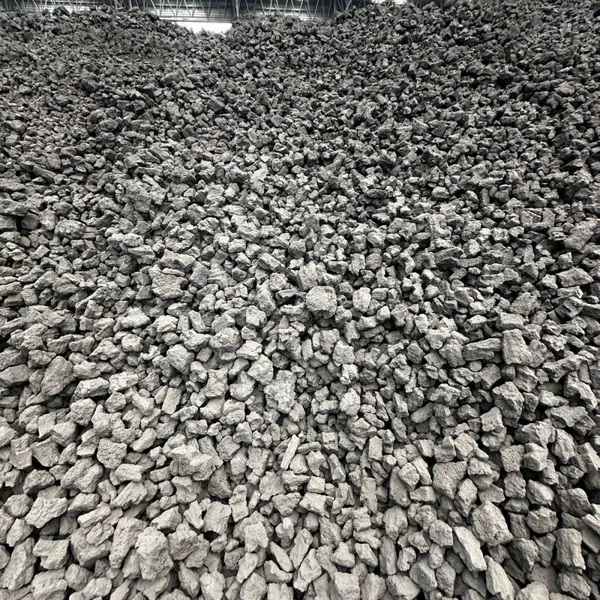 Read More
 -
Best 10 Metallurgical and Foundry Coke Suppliers in China
August 3, 2026In the dynamic landscape of the global steel and casting industries, the quality of coke plays a pivotal role. China, being a majo Read More
 -
Unveiling the Intricate World of Coke: A Comparative Analysis of Different Origins
June 24, 2026In the realm of industrial raw materials, coke stands as a crucial component, powering various sectors such as steelmaking, foundr Read More

Contact Us
Recommended Products
-
 Low Sulfur Carbon Raiser CACUS$ 320MOQ: 20 Metric Tons
 -
Low Phos Semi Coke for Ferro AlloysUS$ 160MOQ: 20 Metric Tons
-
Fixed Carbon 88% Foundry Coke 80-150mmUS$ 350MOQ: 20 Metric Tons
-
High Carbon Low Sulfur Foundry CokeUS$ 320MOQ: 20 Metric Tons
-
High Carbon Low Sulfur Met Coke Nut CokeUS$ 220MOQ: 20 Metric Tons